
From July 17 to 19, 2026, the 5th International Conference on Intelligent Science and Technology (ICIST 2026) was successfully held in Nanjing, China. With the continuous development of intelligent science and technology, emerging technologies such as artificial intelligence, large model technology, and intelligent systems have been constantly expanding their application boundaries. This conference was co-sponsored by Hohai University and IEEE, hosted by the College of Computer Science and Software Engineering of Hohai University, assisted by the CCF Hohai University Student Chapter, with technical support from the University of Science and Technology Beijing and Chongqing University. Experts and scholars from domestic and international universities and research institutions gathered to conduct in-depth exchanges on artificial intelligence, intelligent systems, computer vision, intelligent manufacturing, information security, robotics, and embodied intelligence, jointly exploring new progress and trends in the field of intelligent science and technology.
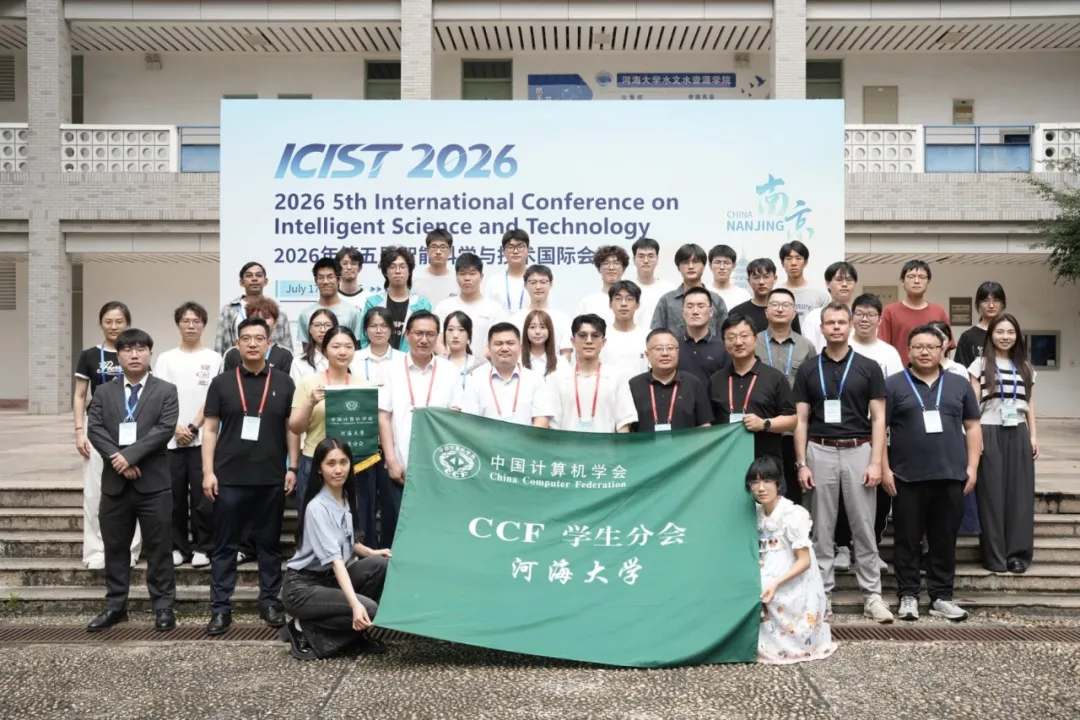
On the morning of July 18, the conference officially opened. The opening ceremony was chaired by Prof. Pengcheng Zhang, Vice Dean of the College of Computer Science and Software Engineering, Hohai University. Prof. Hexuan Hu, Conference Chair and Vice Dean of Lille College, Hohai University, delivered the opening remarks.
On behalf of the conference organizing committee, he warmly welcomed the participating experts and scholars and expressed sincere gratitude to all colleagues who have long supported the development of the ICIST series of conferences. He pointed out that intelligent science and technology are currently in a stage of rapid development, with artificial intelligence continuously integrating with multi-domain applications, bringing new exploration space for scientific research and industrial applications. He hoped that through this conference platform, domestic and international academic exchanges would be further strengthened, consensus in the field would be consolidated, and in-depth discussions on frontier issues of intelligent technology development would be conducted, jointly promoting new progress in related research.
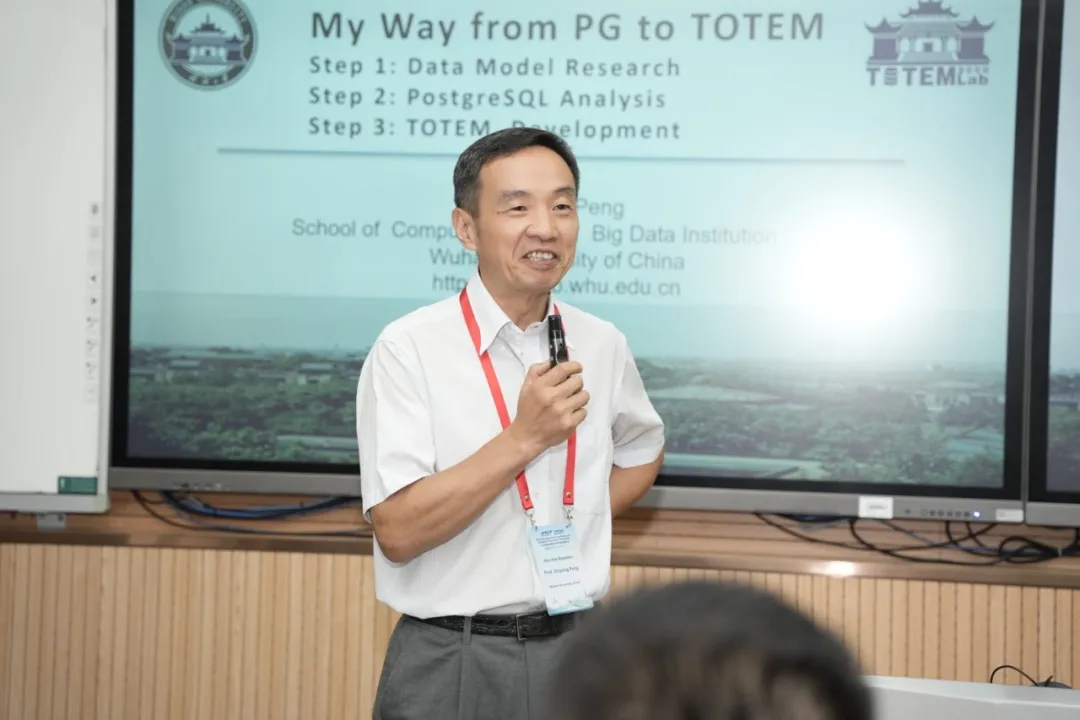
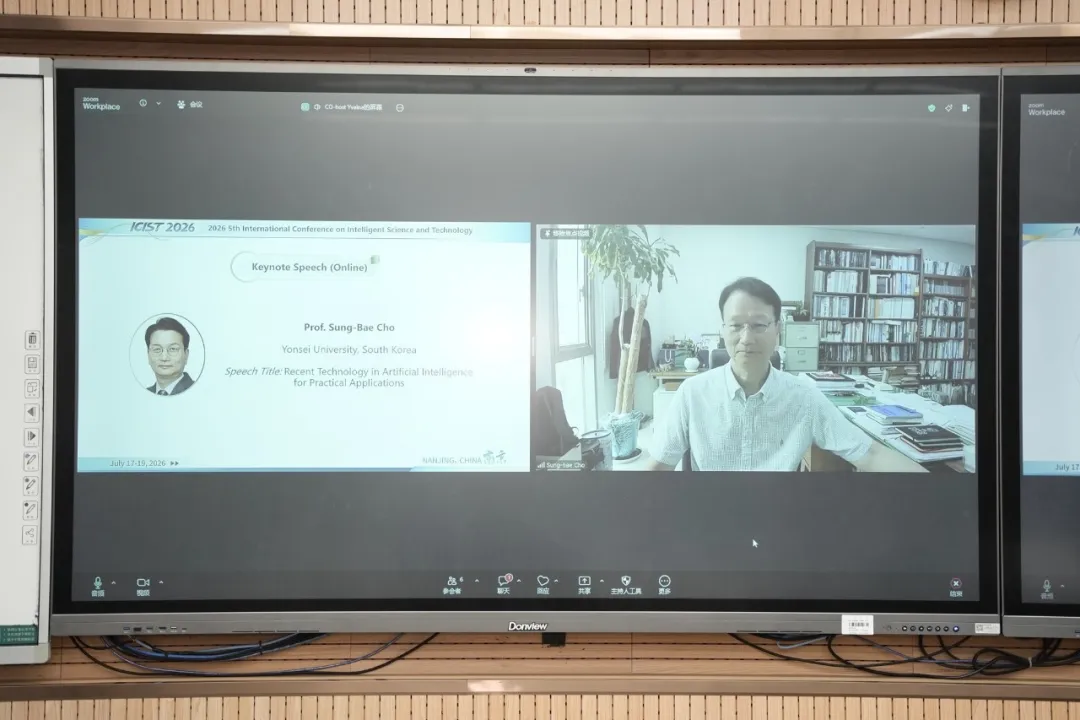
The invited reports covered frontier directions including artificial intelligence, large language models, intelligent manufacturing, computer vision, human-computer interaction, digital education, machine learning, sentiment analysis, and intelligent system applications. The experts and scholars combined the latest research achievements with practical application cases to conduct in-depth analysis of development trends and exchanged technical exploration and practical experience, providing multi-dimensional academic perspectives for the participants.
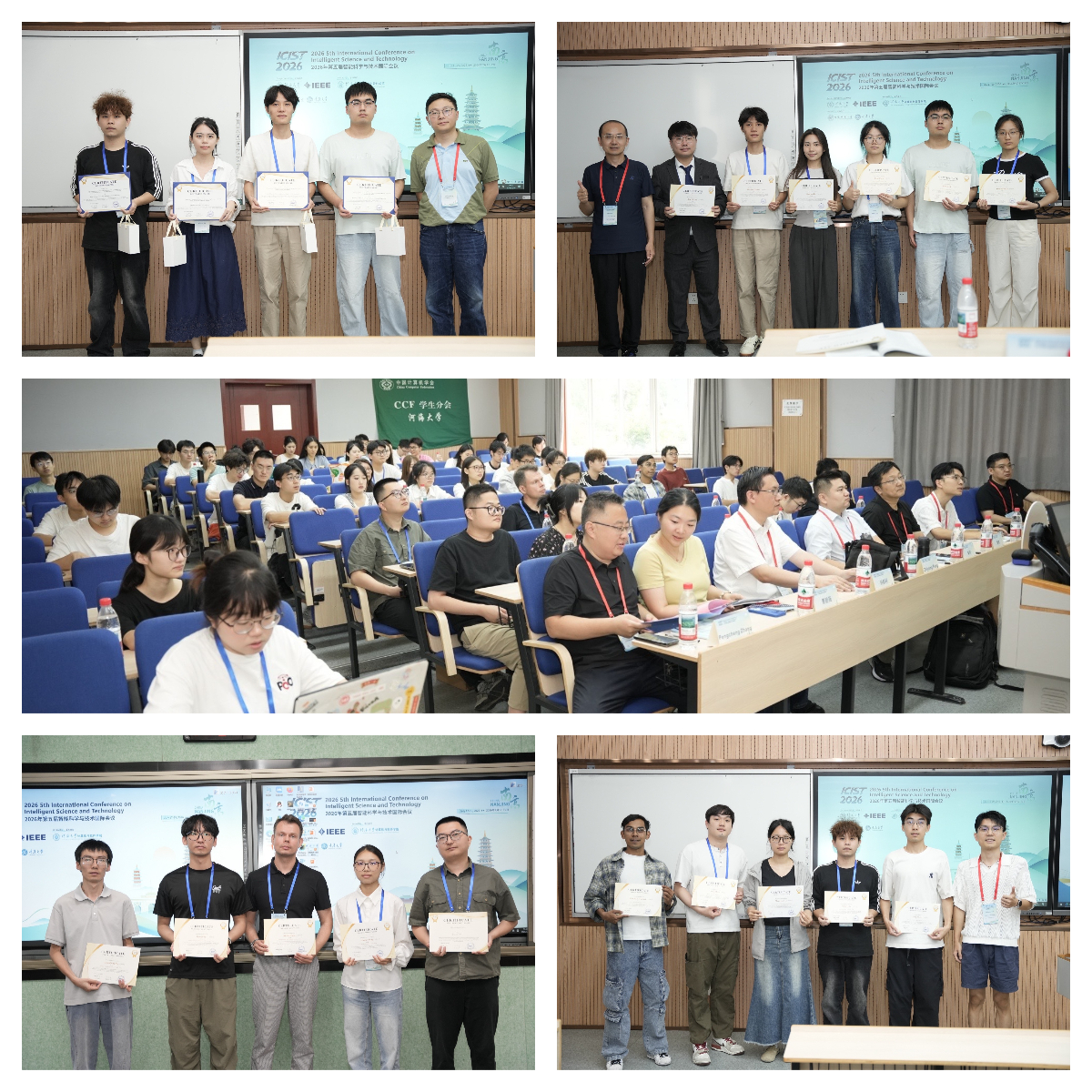
In addition to the keynote speeches, the conference also featured special sessions, online academic exchange sessions, and poster presentations. The participating experts discussed frontier topics and innovative directions in the field of intelligent science and technology. Through the exchange of ideas and sharing of achievements, cross-domain collaboration and academic interaction were further promoted.
The successful holding of ICIST 2026 provided an important opportunity for academic exchange and achievement sharing in the field of intelligent science and technology, and also promoted the integrated development of artificial intelligence, intelligent systems, and related interdisciplinary directions. The conference further strengthened the connections among domestic and international experts and scholars, laying a solid foundation for subsequent in-depth cooperation and the exploration of intelligent technology innovation paths.
In the future, ICIST will continue to follow the development trends in the field of intelligent science and technology, promote more high-level academic exchanges and cooperation, and provide support for related research and technology application development.